
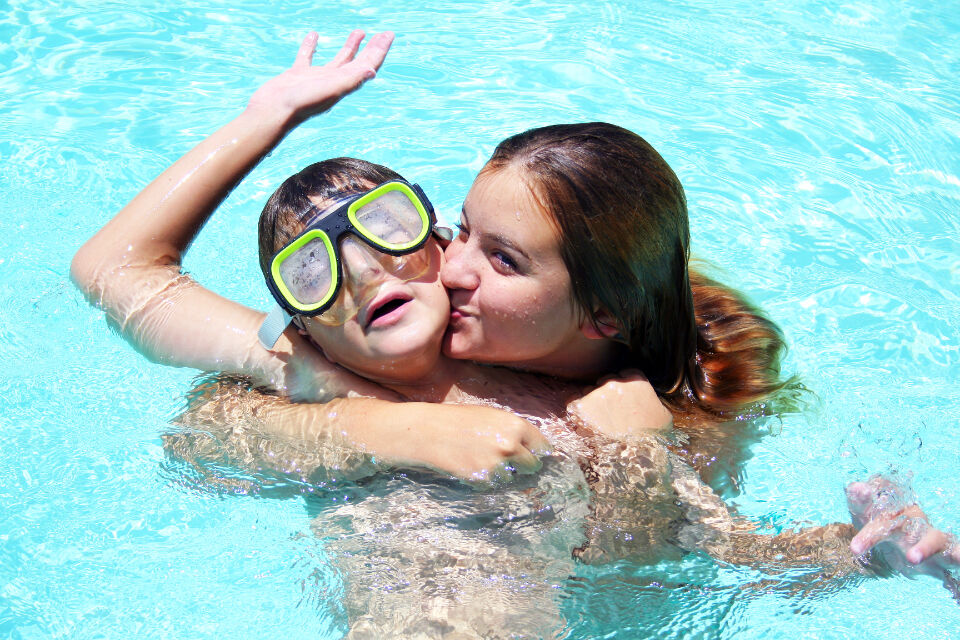
A private pool is one of the best parts of a Bali villa holiday. Children love it, and adults love having water a few steps from the bedroom. That closeness is also the reason it needs a plan before the bags are unpacked.
Royal Life Saving Society Australia runs a program called Keep Watch for families with young children. Its four actions work just as well in a holiday villa as they do at home. This guide walks through each one with the villa setting in mind.
Why holidays carry extra risk
Royal Life Saving says drowning happens quickly and silently. Its summer water safety warning reports that 139 people drowned across Australia between 1 December 2024 and 28 February 2025. More than half of those deaths, 52 per cent, happened more than 100 km from home. It also says holiday travel, changing conditions and disrupted routines raise the risk of drowning.
Those figures are for Australia, but the pattern is worth thinking about overseas. A villa is a new place with a new layout, and a pool may sit right beside the living area. Children are excited, adults are relaxed and the usual routines are gone. That mix is when a plan matters most.
Supervise every time
The first of the Keep Watch actions is active supervision. That means giving a child your full attention whenever they are in, on or near the water. For children aged 0 to 4, Royal Life Saving says an adult should be within arm’s reach and ready to get in. It describes this as eyes on and hands on.
Multitasking is the trap. Answering the door or checking an email is enough for a child to wander off. In a villa that might be the moment a driver arrives or a meal is delivered. Royal Life Saving also says older children should never supervise younger siblings around water.
One simple habit is to name a water watcher before anyone swims. Royal Life Saving suggests deciding in advance who will actively supervise children around water. Swap the role over at set times so nobody gets distracted. Alcohol is often involved in holiday drownings, so the watcher should stay off it.
Restrict access to the pool
The second action is about barriers that slow a child down. At home that means a pool fence with a gate that closes and latches on its own. It also includes closed bathroom doors and covered pools and spas. Not every villa will have that kind of barrier, so ask about it before you book.
Open living areas and garden paths are part of the appeal of a villa stay. If you love the look of a Bali villa garden, it is still worth checking where the paths lead and how close the water is. Walk the grounds when you arrive and note every door that opens onto the pool. Keep those doors shut when children are inside.
Quieter spots such as the villas on the west coast of Bali can feel very relaxed, which makes it easy to drop your guard. Settle on house rules on the first afternoon. A rule that nobody goes near the pool without an adult is easy for young children to remember.
Teach water awareness
The third action is to make children water aware. That means clear rules, consistent habits and teaching them to check for hazards. Royal Life Saving notes water familiarisation classes for children aged 6 to 36 months and water confidence classes for ages 3 to 5. Booking a few lessons in the months before you travel is an easy step.
Lessons help, but they are not a safety net on their own. Royal Life Saving is clear that a child who can swim can still drown. Supervision is still needed every time the pool is in use. Repeat the house rules each day so they stick.
Be ready to respond
The fourth action is to learn CPR. Royal Life Saving says family members are usually first on the scene, and many children have survived because a parent knew CPR. It recommends doing a course and refreshing your skills regularly. A short course before you fly is time well spent.
If a child goes missing, check water first. Royal Life Saving advises checking water locations inside and outside the home before anywhere else. In a villa that means the pool, the bath and any garden pond or water feature. Find out the local emergency number and the nearest clinic when you arrive.
It also helps to sort travel health matters before you leave. These medical tips before you travel cover a few checks worth doing early. Pack a small first aid kit and keep it somewhere everyone can find it.
Adults need a plan too
Adults face risks in the water as well. Royal Life Saving warns against overestimating your swimming ability and advises avoiding alcohol while swimming. Older adults should think about how medicines or health conditions affect balance and judgement. Swimming with someone else is safer than going alone.
The same thinking applies away from the villa. If you head to Seminyak Beach, swim at a patrolled spot between the red and yellow flags where they are in place. Check the conditions before you go in and be ready to change your plans.
Frequently asked questions
How close should I be when my toddler is in the villa pool?
Royal Life Saving says to stay within arm’s reach of young children around water. You should be giving them your full attention and be ready to get in. Phones, books and chores can wait.
Can an older child watch a younger one in the pool?
No. Royal Life Saving says older children should never supervise younger siblings around water. An adult should always take that role.
What should I ask a villa before booking with young children?
Ask whether the pool has a fence or cover and which doors open straight onto it. Ask about any other water on the grounds, such as ponds or water features. The answers will help you decide whether the layout suits your family.
Do swimming lessons mean my child is safe?
Lessons build skills and confidence, but they do not replace supervision. Royal Life Saving notes that a child who can swim can still drown. Keep watching every time they are near the water.
This is general safety information only. Follow local advice where you are staying and check Royal Life Saving for its latest guidance.